Wednesday, March 30, 2011

Springtime Vegetables


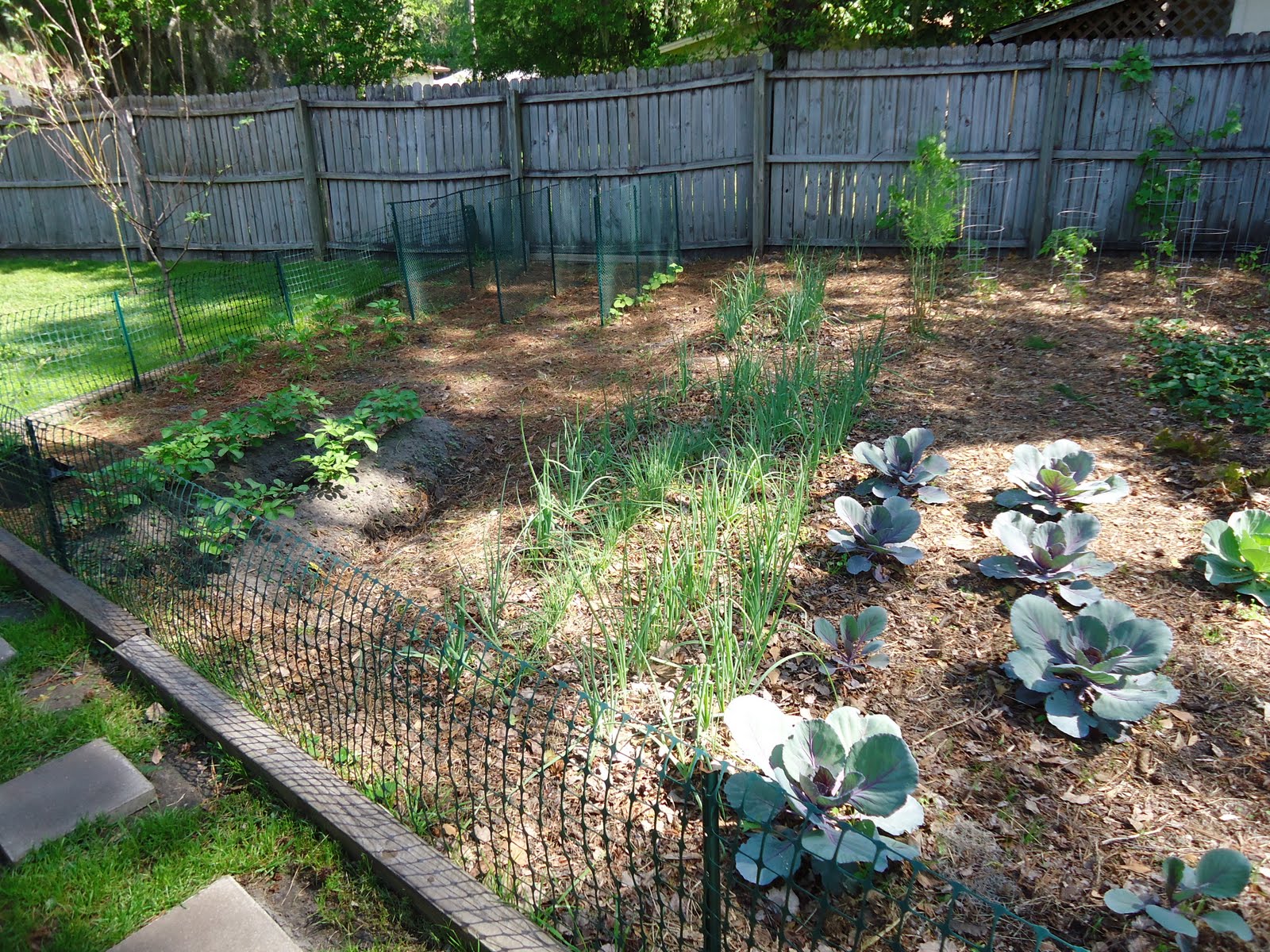
Here is a full view of our springtime garden.

020 Since it is finally spring I thought I should mention a few of the vegetable varieties we grow here ay Quail’s Hollar Farm. Show above is a southern purple cabbage, this enormous brassica can reach two feet in diameter.
014 I am not to sure what type of cabbage this is but all I know is that they did well in out climate this time last year.      018
The lettuce shown above is one of my all time favorites, red sails lettuce.025And of course this is an Mary Washington asparagus shoot.
031
034The small looking three leafed plant is actually I dragon tongue bean, they are notorious for growing exceptionally large bean pods, which are a great for a summer lunch. the grass looking plants shown last are my red onions that I planted in late November. 

Saturday, March 26, 2011

The Chukars Have Arrived


006
After three long years of waiting, I can finally have that partridge in my pear tree. Although these aren’t the conventional European partridge, they are actually from Iran, where they have been given the honor of being their national bird. We purchased two pairs, two males and two females. Currently they are being housed with our mandarin and wood ducks in out new aviary. 004
They are not the most friendly of birds, so a trying to get them in a photo was rather difficult, at least you can see all four though.

Thursday, March 24, 2011

Live Oak Hammacka

I just thought I should share the beauty of a Florida spring afternoon. 

A view of our famous live oak hammacka. (live oak tree canopy)

Sunday, February 6, 2011

Bee Keeping Part Two

Bees are a society within themselves, there are are the workers, drones, and the queen.

The workers are actually sterile females, they do exactly as their name implies, which is work. They work from the moment they hatch out of their hive cell and until the day they die. The worker bee has three jobs to carry out during their life. Their first job is hive maintenance, along with receiving nectar and pollen from incoming bees. This consists of repairing wax cells, and feeding larvae. The second job they are assigned is temperature regulation within the hive. They accomplish this by going outside the hive and gathering water to cool the hive during the summer months. In winter months they beat their wings to create heat to warm the hive. Their final job is to leave the hive to gather pollen and nectar from surrounding vegetation. The worker bees live for around two months, throughout their entire lives they do not rest or sleep, they literally work themselves to death.

The drones are the males, they ironically do nothing to contribute to the hive other than breed with the queen, that is their sole purpose. They do not even feed themselves, the workers feed them. Each hive has a 'drone spot' it is simply a corner of the hive where the drones gather together. The drones live for one season until autumn, when the workers cast them out of the hive to starve or freeze to death.

The queen plays a vital role in the hive, not only does she keep the population at a healthy level, but she also governs and runs the hive. She decides when to start more brood (baby bees) and when to leave a hive and start another. She is constantly guarded by an entourage of worker bees making sure when she lays eggs they are cared for and that she is given food at all times. Queens can live for about three years

.

Saturday, February 5, 2011

Bee Keeping Part One

Apiculture the act of keeping bees for honey, wax, royal jelly, and pollen. Bees hives are called apiaries and those who harvest and maintain them are called apiarists. Beekeeping has been practiced for centuries. The Egyptians, Mesopotamians, and the Romans all participated in apiculture. Honey was once seen as a cure all by the Mesopotamians and an antibiotic by the Egyptians; of course these claims are debatable. Thankfully with modern inventions such as the smoker, it is easier to control the bees and keep them sedated when carrying out hive maintenance. Also, with removable frames we no longer need to 'crush' the entire hive in a 'press' as people did long ago, therefore, we can keep an entire colony alive and produce even more honey in an active season. Throughout the ages beekeeping has changed, however; one thing did not though, which is the bees themselves. They have managed their own lives longer than mankind has managed them. With that being said, it is imperative we keep that in mind.

When most people mention bees they immediately think of little stinging minions buzzing around awaiting their next victim, nothing could be further from the truth. Bees are actually docile and when handled
properly there is no need for a bee veil. They will sting to protect their home and queen, but they would rather keep their life and their schedules than bother with humankind. 

There are three main races of bees which are: the Italians, Carnolians and Caucasians. The Italian bees are known to be the most irritable of bees, they are less likely to swarm, and they are slow builders, which means less honey than other types of bees. Carnolians are gentlest of honey bees and are also quick builders. The only draw back is that they are prone to swarming. The Caucasians are slow builders, and do not do well in the heat, but they are very gentle and are one of the most productive as far as honey goes. As an aspiring apiarist do your research which bee variety best fits your climate, location and expectation of honey and wax harvests.

Sunday, January 9, 2011

Yesterday I finally got my permanent aviary set up, although I'll need another one for my ducks, so craigslist it is. I think I finally found the solution to my problem with the predators. All we need now is a secure house for the rabbit and like I said the ducks. The golden pheasant, Toby decided to test his boundries by hoping over the temporary fence and taking off for the boxed garden. Needless to say we lost a few broccoli plants.

Tuesday, December 14, 2010

Keeping Mandarin Ducks

Well since nothing is really going on over here today I figure I'll do a little preaching,

The mandarin duck one of the most beautiful ducks in my opinion, I'm so glad to have them here. I love the maroon color and the little sails that stick out of their back. They almost look like some kind of paper duck that some oriental store would sell. Since they are tree ducks there is no need to have a hugItalice pond like you have to have for mallards and teals. They are actually closely related to the american wood duck, another one of my favorites. So anyways with that being said they are pretty clean and easy to care for. I feed mine game bird feed of the highest quality. Many people who have these wonderful little birds say they are not rare, true they are not. But neither was the passenger pigeon, or the health hen, I bet those hungry colonists though the happy little health hen which is a grouse by the way would never be extinct, well guess what?! sadly for them it did, needless to say no more health hens. I think it is important to keep and breed the mandarin duck since, like the wood duck are going extinct in the wild. That means it's only a matter of time before restrictions are put to prevent the export of birds, and that mean that our captive stock is all we'll have left. The numbers in captivity are healthy but there is a lot of inbreeding going on with this species. Now don't get me started with this whole inbreeding thing! I'll write about that another day, but for now it is important that we practice responsible breeding and keeping. I strongly encourage anyone who likes little water birds to keep the species, they are such a joy to have. They have two qualities I like in a bird, they are inexpensive and beautiful. They are also great for urban dwellers as they can really add color to any fish pond. So be sure to get some.